Golders Green Station Wedding Flowers Booking Checklist
Posted on 03/10/2026
Planning wedding flowers around Golders Green Station can feel deceptively simple at first. You know you want beautiful blooms, you know the day has to run on time, and you probably know that one small florist detail can suddenly become the thing everyone is talking about. That is exactly why a Golders Green Station Wedding Flowers Booking Checklist matters. It helps you move from "we should sort the flowers soon" to a clear, calm booking plan that keeps your wedding flowers aligned with your venue timing, guest count, style, and budget.
Whether you are arranging bridal bouquets, buttonholes, ceremony arrangements, or reception centrepieces, the booking process is really about getting the right flowers to the right place at the right time. Not glamorous on paper, perhaps, but on the day? It makes all the difference. Below you will find a practical, human-friendly guide that covers what to book, when to book it, what to ask, and how to avoid the classic last-minute panic that nobody needs on a wedding week.
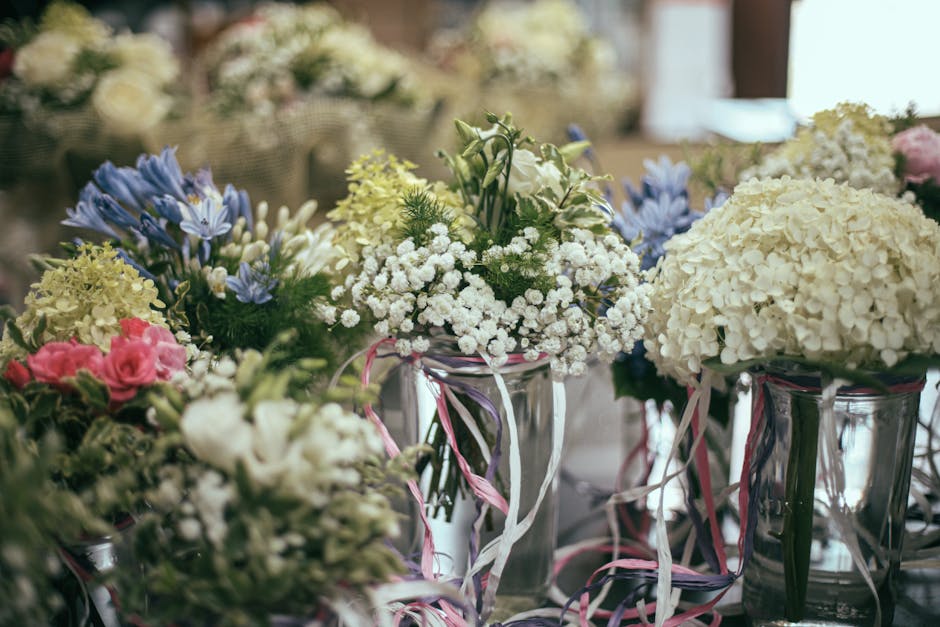
Why Golders Green Station Wedding Flowers Booking Checklist Matters
Wedding flowers are not just decoration. They affect the mood of the ceremony, the look of the photographs, and the way the venue feels when guests walk in. Around Golders Green Station, where weddings may involve travel, tight schedules, and a mix of local and out-of-area guests, timing matters even more than usual. A checklist gives you a structured way to manage all the moving parts without relying on memory alone. Let's face it, wedding planning brains can get a bit full.
The real value of a booking checklist is that it makes the process repeatable and less stressful. You can compare flower styles, decide what is essential versus nice-to-have, and make sure your florist understands the venue access, delivery window, and setup needs. That is especially useful if your flowers need to be dropped off before guests arrive, moved between ceremony and reception spaces, or kept fresh for photographs later in the day.
It also helps you think beyond the bouquet. A lot of couples focus on the bridal flowers and then realise, a week before the wedding, that they have not ordered buttonholes, registrar table flowers, or a top table arrangement. A proper checklist closes those gaps early. Small missed items have a habit of becoming annoying, expensive, or both.
Practical takeaway: a good wedding flower booking checklist is not about overplanning. It is about reducing avoidable risk, protecting your budget, and making sure the flowers support the day instead of creating extra admin.
How Golders Green Station Wedding Flowers Booking Checklist Works
The checklist works in stages. First, you define the flowers you actually need. Then you confirm the style, the budget, and the date. After that, you lock in the practical details: delivery timing, setup requirements, and any changes that might affect the design. Finally, you review everything before the wedding so nothing gets missed in the final rush.
In practice, this usually means starting with the big questions: How many bouquets? How many buttonholes? Is there a ceremony arch, aisle arrangement, or table centrepiece plan? Do you need flowers that travel well if the ceremony and reception are in different places? Once those basics are clear, the florist can advise on structure, seasonal choices, and what is realistic for your budget.
For couples near Golders Green Station, there can also be location-specific considerations such as parking, building access, lifts, waiting restrictions, or a narrow delivery window. You do not need to overcomplicate it, but you do need to mention these things early. A florist can work around many logistical quirks; they just need to know about them before the van is already on the road.
If you are still gathering ideas, browsing a florist's wedding range can help you narrow your choices. For example, wedding collections often make it easier to compare bridal bouquets, bridesmaid styles, and matching buttonholes in one place.
Key Benefits and Practical Advantages
A well-built booking checklist does more than keep you organised. It improves decisions, which is half the battle with wedding flowers. When you can see everything clearly, you are less likely to overspend on one dramatic feature while forgetting essentials like boutonnieres or ceremony flowers.
- Reduces stress: You are not relying on memory, text messages, or half-finished notes in your phone.
- Protects your budget: It helps you separate must-have arrangements from optional extras.
- Improves design consistency: Matching bouquets, buttonholes, and table flowers look more polished.
- Supports venue logistics: Delivery timing and access details are captured in one place.
- Makes changes easier: If the guest count changes or the colour palette shifts slightly, you know what to adjust.
- Helps with communication: Everyone involved has a clearer picture of what has been agreed.
There is also a quieter benefit people often underestimate: confidence. Once the flower plan is documented, the wedding starts to feel real in a good way. You stop second-guessing every decision. You can breathe a bit. That sounds small, but on a wedding planning timeline, small things count.
Who This Is For and When It Makes Sense
This checklist is useful for any couple planning a wedding near Golders Green Station, but it is especially valuable if your day has multiple moving parts. Maybe the ceremony is small and intimate, but the reception is larger. Maybe some guests are travelling by train. Maybe you want elegant flowers without going full luxury production. Different setups, same need for structure.
It makes particular sense if:
- you are booking flowers yourself rather than through a full planner
- you want to compare styles before committing
- you are working with a budget and need to prioritise
- your ceremony and reception are at different locations
- you have a fixed delivery slot or limited setup time
- you are planning a culturally specific or religious wedding with particular floral requirements
It also suits couples who know what they like visually but are not yet sure how to translate that into an order. That is normal, honestly. A lot of people have a mood in mind before they have a practical flower list. Soft blush tones, clean whites, a little greenery, maybe something more structured. The checklist turns that mood into something a florist can work with.
Step-by-Step Guidance
1. Start with the wedding structure
Before thinking about roses or lilies, map the day. Ceremony only? Ceremony plus reception? Separate venues? Outdoor photos? The structure shapes the flower order. A bouquet list for a simple registry-style wedding is very different from a full floral package with table arrangements and accessories.
2. List every floral item you may need
Write down the obvious items first:
- bridal bouquet
- bridesmaid bouquets
- groom buttonhole
- groomsmen buttonholes
- mother-of-the-bride or family flowers
- ceremony arrangements
- table centrepieces
- top table flowers
- cake flowers, if needed
Then think about the less obvious details. Do you need flowers for a signing table, a welcome sign, or a stairway display? These can be easy to forget when you are focused on the bigger pieces.
3. Choose your style and palette
Flowers should fit the venue, season, and your outfit rather than fight them. A modern city wedding may suit sleek lines and strong shapes. A softer afternoon celebration may work better with loose, romantic blooms. If your dress has plenty of detail, you might want a simpler bouquet so the whole look stays balanced.
Don't overcomplicate this bit. Pick a palette first, then refine the flower types. White and green, blush and ivory, purple and cream, mixed pastels, deep romantic reds - these are easier to brief than trying to name every stem from the beginning.
4. Confirm your budget early
This is the bit people sometimes avoid, which is understandable, but it helps everything else fall into place. Be honest about the total you are comfortable spending. A florist can usually suggest ways to keep the look strong without wasting money. For example, bridal bouquet and ceremony flowers may be a better priority than lots of smaller extras.
If you want to explore budget-friendly options alongside more premium designs, it can be useful to compare a florist's broader collections such as budget flower options and luxury arrangements. That helps you see what changes when the budget changes.
5. Check delivery and setup details
Flowers are time-sensitive. You want them arriving fresh, on time, and with enough margin for setup. Make sure the florist knows:
- the full address
- the correct venue contact if needed
- access notes for parking or loading
- the delivery window
- where flowers should be left or installed
- who is responsible for receiving them
If your wedding morning is already tightly scheduled, even a small delivery delay can create noise and tension. Better to plan for a neat buffer than to be relying on perfect traffic, which in London is a bit optimistic, to be fair.
6. Ask about substitutions and seasonal variation
Flowers are living products, not factory items. Seasonal availability can affect exact varieties, especially if you have your heart set on a specific bloom. A good florist should be clear about what can be matched exactly and what may be substituted with a similar flower or colour.
This is where a flexible checklist helps. Instead of writing "must have peonies in exact shade," you might write "soft pink focal flowers, peony-style if available." That leaves room for beauty without setting yourself up for disappointment.
7. Review the final order before the deadline
At some point, the order needs to be locked in. Before that happens, check names, counts, addresses, colours, and timing. It sounds basic, but basic is good. Wedding admin has a habit of sneaking mistakes into the tiniest details.
Expert Tips for Better Results
Here is where the small improvements make a big difference. You do not need to become a flower expert. You just need to make smart decisions earlier.
- Bring a reference image, but do not worship it. One inspiration photo is useful; ten slightly different ones can muddy the brief.
- Think in groups, not single stems. It is easier to plan "soft white ceremony pieces" than ten individual flower types.
- Choose one hero item. Maybe the bouquet. Maybe the ceremony arrangement. One focal point makes the overall design feel intentional.
- Protect the photos. Flowers should read well in photographs, not just in person. A bouquet that disappears against the dress may look lovely in real life but vanish on camera.
- Ask about handling on the day. Who moves the flowers from ceremony to reception, if that is needed? It is a small question. Very important though.
- Keep one person in charge. Too many decision-makers can slow everything down.
A little florist-side tip: if you are not sure about the exact bouquet size, think in relation to the bride's frame and dress shape. A bouquet does not need to dominate the outfit. It just needs to sit comfortably in the picture.
Another practical point. If you are using flowers for more than one purpose, such as ceremony decor and reception styling, ask whether some arrangements can be repurposed. That is a clever way to stretch a budget without making the day look sparse.

Common Mistakes to Avoid
Most flower booking problems are not dramatic. They are small oversights that snowball. The good news is they are easy to avoid once you know where the traps are.
- Leaving the booking too late: Popular wedding dates can fill fast, especially in peak season.
- Forgetting venue rules: Some venues have restrictions on candles, adhesives, hanging displays, or access times.
- Being vague about colour: "Pretty pink" is not always enough. Try blush, rose, dusty pink, or vibrant pink depending on your taste.
- Ignoring transport: Flowers that are travelling by car or van need careful handling.
- Not confirming quantities: One extra buttonhole can matter more than you expect.
- Assuming all flowers are equally available: Seasonal changes can affect cost and design.
- Forgetting setup responsibility: If the flowers need arranging on site, say so clearly.
A common one, and it happens a lot, is assuming "the florist will know what I mean." Usually they will have a good idea. But weddings reward clarity. A tiny extra note in the order can save a large amount of unnecessary back-and-forth later on.
Tools, Resources and Recommendations
You do not need fancy project management software to book wedding flowers well. A simple spreadsheet, a notes app, or even a printed checklist can do the job if you keep it updated. What matters is consistency. One place for everything.
Useful resources to gather before booking include:
- wedding date and venue details
- a guest list estimate
- photos of the venue space
- dress or outfit inspiration
- colour swatches or theme notes
- delivery contact information
- a rough budget range
If you are still exploring the wider range of floral styles, the full flower collection can help you spot whether your taste is more classic, modern, seasonal, or colourful. And if your wedding flowers need to coordinate with other occasions or gifts around the same time, you might also find useful the broader flower delivery service for local arrangements and timing support.
For couples who like to compare options visually, shopping by occasion can be surprisingly helpful. Wedding styles often overlap with romantic bouquets, white arrangements, or luxury pieces, so it is worth browsing the categories that match the mood you want. Sometimes the right idea appears when you are not even looking for it. That's how it goes.
Law, Compliance, Standards, or Best Practice
Wedding flower booking is not heavily regulated in the way some industries are, but best practice still matters. A florist should be clear about pricing, delivery expectations, cancellations, and substitutions. You should be clear about what you are ordering and when it is needed. Good communication protects both sides.
In the UK, couples should also think about practical venue rules and site management. Some venues have access restrictions, insurance requirements for suppliers, or limits on installation methods. If flowers are being placed in public-facing or shared areas, check whether the venue needs notice in advance. This is especially sensible where there are narrow corridors, historic buildings, or tightly scheduled room changes.
For safety and good practice, any floral items placed near exits, walkways, or high-traffic areas should not create a trip hazard or block movement. That may sound obvious, but wedding days can be busy and people do move quickly. A simple check on the layout is enough.
If you are using fresh flowers, ask how they will be conditioned, transported, and stored before the event. Freshness depends on handling as much as stem choice. That is why a reliable florist will speak comfortably about care, delivery, and timing rather than just the design itself.
Options, Methods, or Comparison Table
Different booking approaches suit different couples. Some want full-service support. Others are happy with a simpler order and a delivery drop-off. Here is a straightforward comparison to help you decide what fits your day.
| Booking approach | Best for | Pros | Watch-outs |
|---|---|---|---|
| Basic bouquet and buttonhole order | Small ceremonies or registry weddings | Simple, budget-conscious, easy to manage | May not cover venue styling or setup needs |
| Partial floral package | Couples wanting a polished look without a full installation | Balanced cost and visual impact | Requires clearer planning on what is included |
| Full wedding flower plan | Larger weddings or styled venues | Most cohesive and convenient | Higher cost and more detailed coordination |
| Flexible seasonal design | Couples open to flower substitution | Often better value, more natural look | Exact blooms may vary from expectations |
There is no universally "best" option. The right method depends on how much of the day flowers are expected to carry. A simple ceremony can look beautiful with very little. A larger venue may need much more structure. Think of the table as a way to choose with your eyes open, not a rulebook.
Case Study or Real-World Example
Here is a realistic example from the kind of planning situation many couples face. A pair planning a late-summer wedding near Golders Green Station wanted a clean, romantic look: white and blush flowers, a modest ceremony setup, and enough pieces to make the reception feel finished without overdoing it. They had a tight morning schedule and guests arriving by rail, so timing was the main pressure point.
They started with the essentials: bridal bouquet, two bridesmaid bouquets, four buttonholes, and a pair of table arrangements. Then they added a small ceremony piece that could be moved later to the reception. That one decision made the budget work harder. They also shared clear access notes for delivery, including who would receive the flowers and where they should be left if the room was still being dressed.
The result was not a giant floral spectacle, and that was the point. The flowers looked calm, coherent, and appropriate to the venue. Nothing felt rushed. Nothing looked accidental. The couple had one less thing to think about on the day, which, truth be told, is the real luxury.
The lesson? A good booking checklist is not about buying more. It is about making smart choices early enough that the day can breathe.
Practical Checklist
Use this checklist as you book and confirm your wedding flowers. It works best if you go through it line by line and tick things off as you decide.
- Confirm your wedding date and venue.
- List every floral item needed for the day.
- Decide which items are essential and which are optional.
- Choose your colour palette and overall style.
- Set a realistic total budget.
- Gather inspiration images and note what you like about them.
- Check venue access, parking, and delivery timing.
- Ask about seasonal availability and possible substitutions.
- Confirm who will receive the flowers on delivery.
- Check whether any flowers need to be moved between locations.
- Review quantities for bouquets, buttonholes, and table pieces.
- Ask how the flowers should be stored before the ceremony.
- Confirm setup responsibilities and any venue restrictions.
- Review the final order before payment or sign-off.
- Keep all key details in one place for the wedding week.
If you prefer a shorter version, the simple rule is this: know what you need, know when it must arrive, and know who is responsible for each step. That alone removes a lot of stress.
Conclusion
Booking wedding flowers near Golders Green Station does not have to become a complicated project. With a clear checklist, the whole process becomes easier to manage, easier to budget for, and much easier to trust. You can focus on the look of the day without getting lost in admin, delivery timings, or last-minute missing pieces.
The best results usually come from the simplest habits: be clear, be practical, and confirm the details early. A good florist can do a lot with good information. And once the flowers are handled properly, the rest of the day has more room to feel like itself.
If you are ready to move from planning to action, take the next step and compare your options carefully so you can book with confidence.
Get a free quote today and see how much you can save.
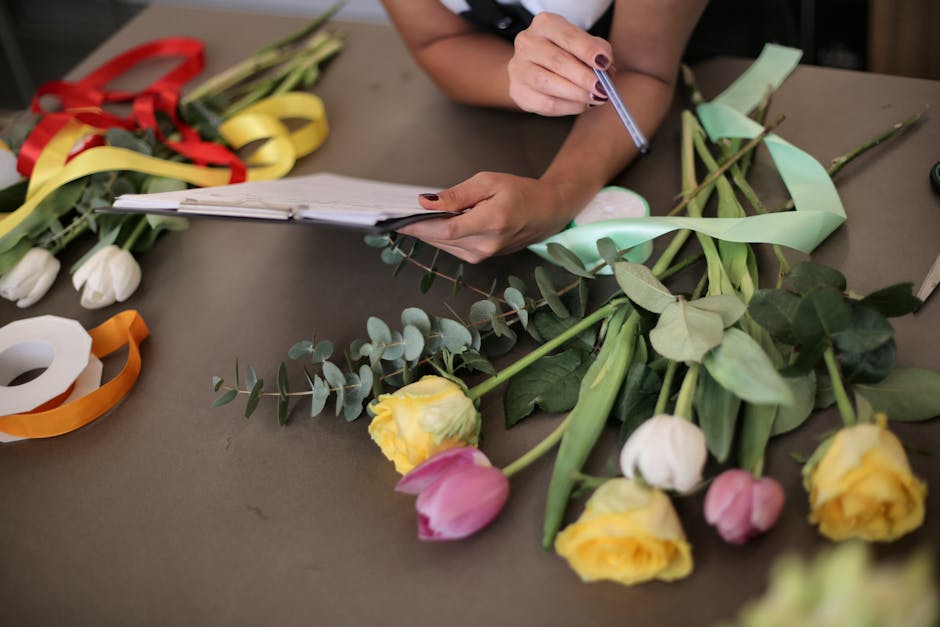
Frequently Asked Questions
What should be included in a Golders Green Station wedding flowers booking checklist?
At minimum, include your wedding date, venue details, floral items needed, colour palette, budget, delivery time, setup needs, and final confirmation notes. If you have multiple locations or a tight schedule, add access and contact details too.
When should I book wedding flowers for a wedding near Golders Green Station?
The earlier the better, especially for busy dates and peak wedding seasons. Booking early gives you more choice, more time to refine the design, and less pressure if you want a specific style or seasonally limited flowers.
How far in advance should I confirm the final flower order?
That depends on the florist and the date, but it is sensible to confirm the final order before the wedding week so there is time to correct any mistakes. Leaving final checks too late is where avoidable problems usually creep in.
What flowers work best for wedding bouquets and buttonholes?
There is no single best choice. Roses, lilies, orchids, lisianthus, alstroemeria, and mixed seasonal flowers are all commonly used in wedding work. The best option depends on your theme, outfit, budget, and how formal the day feels.
How do I keep wedding flowers within budget?
Choose your priorities first. Spend more on the items people will see most, such as the bridal bouquet or ceremony flowers, and keep the rest simple. Seasonal flowers and flexible substitutions can also help protect the budget.
Do I need a separate booking for buttonholes and bridesmaid bouquets?
Usually, yes, if you want the florist to prepare specific items for different people. These are often easy to overlook, so list them separately even if they are part of one broader floral order.
What if my venue has limited access or parking?
Tell the florist as early as possible. Access issues matter because they affect delivery timing, unloading, and setup. A good plan can usually work around restrictions, but only if the florist knows in advance.
Can my wedding flowers be moved from the ceremony to the reception?
Often, yes. Many couples reuse ceremony arrangements later in the day to make the budget go further. It needs to be planned in advance, though, because someone has to move and reset the flowers.
What should I ask a florist before booking?
Ask about availability, design flexibility, delivery timing, setup support, substitutions, and how the final order will be confirmed. These questions help you compare offers properly rather than just choosing the prettiest picture.
How do I know if the florist understands my wedding style?
Look at whether they ask useful questions about the venue, dress, timing, and guest count, not just the flowers themselves. A florist who understands the full picture will usually give more practical, grounded advice.
What are the most common mistakes couples make when booking wedding flowers?
The biggest mistakes are booking too late, being vague about style, forgetting practical details like delivery and setup, and not confirming quantities. None of these are dramatic on their own, but together they can create stress you really do not need.
Is it better to choose seasonal flowers?
Often, yes. Seasonal flowers are usually easier to source and may offer better value and freshness. They also tend to look natural for the time of year, which can make the whole arrangement feel more harmonious.
Can I use the same flowers for different parts of the day?
Sometimes you can. For example, a ceremony arrangement might be repositioned for the reception, or bridesmaid bouquets can double as decorative pieces after the vows. It is a smart way to stretch the visual impact of your budget.
How do I make sure my flowers arrive in good condition?
Confirm delivery timing, storage conditions, and who will receive the flowers. Fresh flowers need careful handling and the right environment before they are displayed, so simple coordination really matters.


